What exactly is chimney cake?
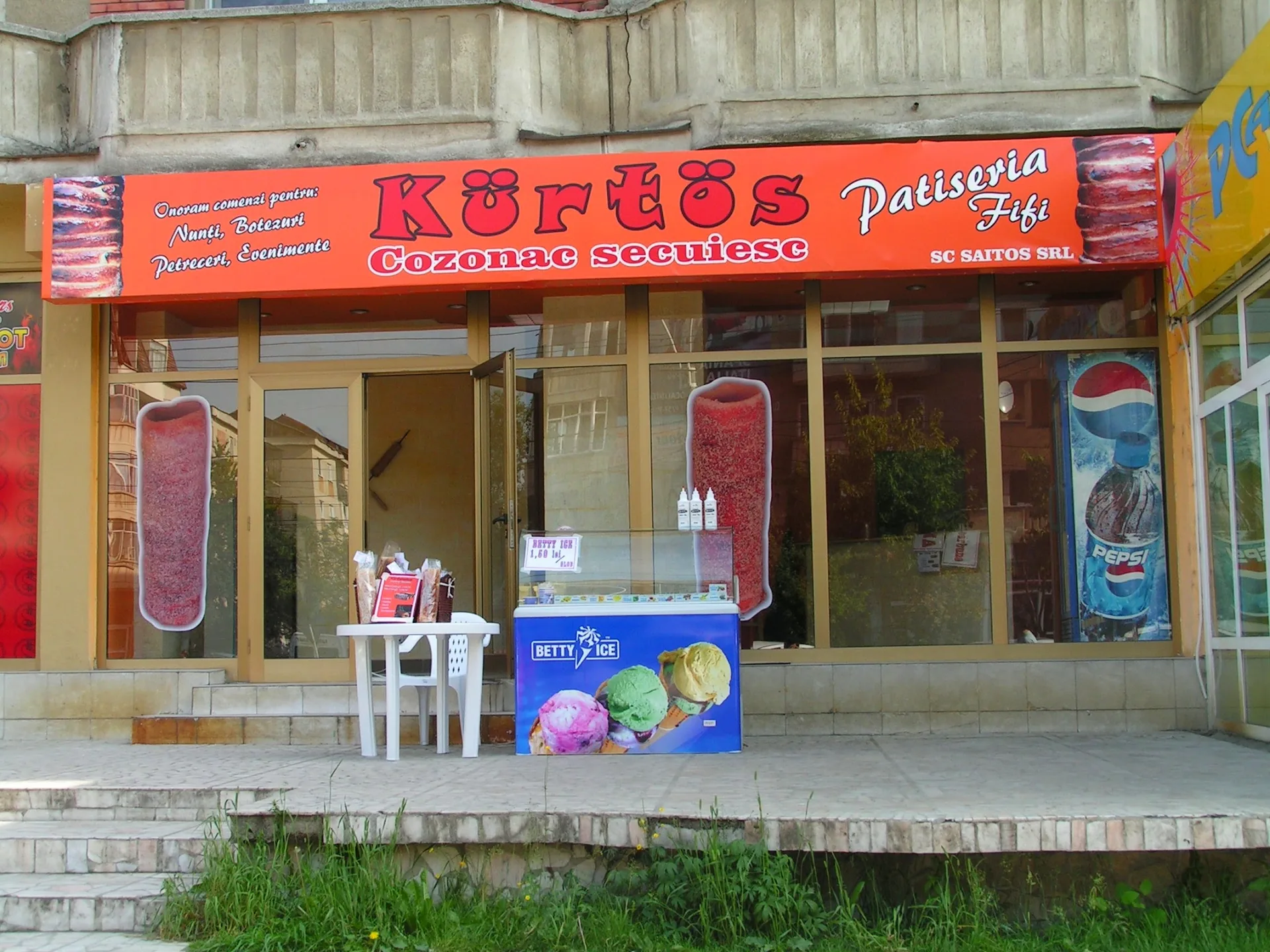
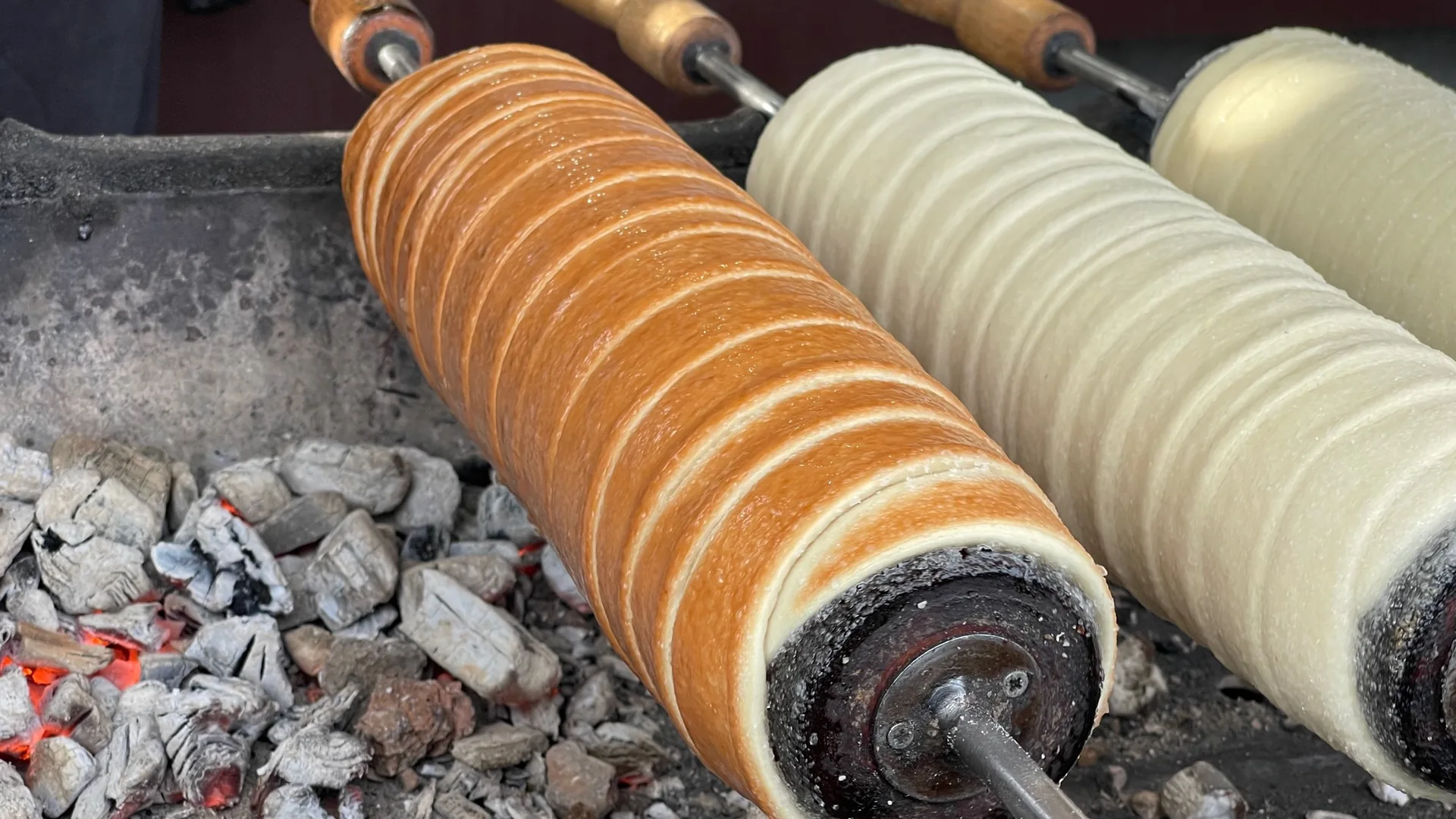
Chimney cake is a cylindrical pastry made with a distinctive technique on a rotating cylinder over glowing embers, electricity or gas. Its Hungarian name, kürtőskalács, comes from the word “kürtő”, meaning chimney, because its shape resembles a smokestack. A long ribbon of dough is wound around the cylinder and baked while constantly rotating. Sugar caramelizes on the surface, forming a glossy, golden and crisp crust.
The craft depends on balancing dough temperature, rotation speed and distance from the heat. Rotate too fast and it can burn outside while remaining raw within; bake too slowly and it may dry out. Experienced bakers learn to read every small signal from the dough.
Historical roots
The first written references to chimney cake date to the middle of the 18th century. Its exact origin is debated, but period cookbooks list it as “kürtős kalács”, and it was known as a festive pastry of Hungarian and Szekler communities. It was prepared for weddings, christenings and other important family occasions.
Each family had a recipe passed from one generation to the next. The ingredients were simple; the proportions, proofing and baking skill made each version distinctive.
Transylvania’s multicultural character helped the pastry spread. During the 19th and 20th centuries, chimney cake gradually moved beyond village kitchens and appeared in markets in Cluj-Napoca, Târgu Mureș, Miercurea Ciuc and other Transylvanian cities.
The traditional preparation method
Traditional chimney cake is genuine artisan work. The dough is carefully kneaded and left to rise until soft and elastic. It is then cut into long, even ribbons so it can be wrapped without tearing.
The classic spit was made of beech or another hardwood, usually 6–8 centimetres in diameter and 30–35 centimetres long. Metal cylinders are also used today, although wood remains part of the traditional method.
The wrapped dough rotates continuously above the heat. Baking takes only a few minutes, depending on the thickness of the dough and the intensity of the fire. The finished cake is golden, crisp outside, soft and aromatic within.
The original flavors
The classic coatings were simple: cinnamon sugar, freshly ground walnuts and vanilla sugar, applied while the crust was still hot and slightly sticky. That simplicity allowed the fresh dough, caramelized sugar and fire-baked character to stand out.
Chimney cake in the modern era
The 21st century brought new life to chimney cake. Alongside fairs and celebrations, permanent stands, workshops and specialist shops now offer it, while the visible baking process remains an essential part of the experience.
Chocolate, coconut, raspberry, candy and mixed coatings joined the classic flavors. Savory versions and filled desserts have also appeared. Presentation evolves, but the basis of a good chimney cake remains the same: fresh dough, even baking and a caramelized crust.
SAITOS and the continuity of the craft
An authentic experience is preserved not by a recipe alone, but by practice, care and consistent freshness. The SAITOS story began in Baia Mare in 2009. The first small shop had a simple goal: every chimney cake should be prepared on site and served fresh.
Today we continue in four permanent locations – central Cluj and BIG, Baia Mare and Sibiu – as well as with a mobile event unit. We connect the traditional process with new flavors without compromising on fresh baking.
International recognition
Chimney cake has long since travelled beyond Transylvania. It can be found in Prague, Vienna, Berlin, New York and many other cities. Alongside Hungarian and Transylvanian communities, more and more international visitors are discovering this theatrical, freshly made pastry.
Where can you taste it fresh?
Across Transylvania, chimney cake appears at city stands, fairs and festivals. SAITOS has four permanent locations open daily from 10:00 to 21:00: central Cluj, BIG Cluj, Auchan Baia Mare and Shopping City Sibiu.
Our mobile workshop brings the embers to festivals, family celebrations and corporate events, baking the cake where the guests are.
A living cultural heritage
Chimney cake is more than a dessert: it is a living tradition connecting past and present. Each serving brings together the crunch of caramelized sugar, soft dough and knowledge refined over centuries.
Whether you are visiting Transylvania or live here, it is worth tasting fresh while still warm. Its aroma, crisp crust and airy interior create an experience worth returning to.